Choosing a private dentist in London is about more than finding a convenient location. For many patients, particularly those looking for long-term care for themselves or their family, the decision involves finding a dental practice where clinical care, communication, continuity and treatment planning all feel right.
Private dentistry can cover everything from preventive examinations and dental hygiene to orthodontics, cosmetic dentistry, restorative treatment and dental implants. With so many practices and treatment options available, knowing what to look for can make the decision much easier. The Competition and Markets Authority (CMA) published specific guidance for patients in 2026, encouraging people to research practices, understand prices, compare options and make informed decisions about their care.
Start With Clinical Care
The first consideration when choosing a private dentist in London should always be the quality and appropriateness of the clinical care.
In the UK, dental professionals are regulated by the General Dental Council (GDC), which sets standards for the dental team. Only registered dental professionals can legally provide dental treatment, and the GDC register allows patients to check a dentist’s registration.
It is worth looking beyond a practice’s list of treatments and considering the experience of the clinicians providing them. If you are considering a particular type of treatment, such as orthodontics, dental implants or more complex restorative dentistry, look at the experience and qualifications relevant to that area.
A good dental practice should also recognise when a particular treatment is not appropriate. The GDC states that dental professionals should be able to identify when treatments may not be suitable for an individual patient and should explain the relevant risks, benefits and options.
Look Beyond the Treatment You Need Today
Your dental needs can change over time. You may initially be looking for a routine examination, but later consider orthodontic treatment, cosmetic dentistry, restorative treatment or replacement of a missing tooth.
For families, this can be even more relevant. Children may need preventive care as their teeth develop, teenagers may require orthodontic assessment, while adults may have completely different dental concerns.
This is why it can be useful to choose a private dental practice in London that can support different stages of dental care rather than focusing on a single treatment. A long-term relationship with a dental team can make it easier to maintain continuity as your needs change.
At Carling Dental, our approach encompasses preventive, cosmetic, orthodontic and restorative dentistry, allowing treatment to be considered within the context of each patient’s individual oral health and goals.
Look for Personalised Treatment Planning
No two patients have exactly the same teeth, bite, oral health history or expectations. Even when two people appear to have a similar dental concern, the most appropriate treatment may be completely different.
A thorough consultation should therefore be more than a quick discussion about the treatment you have searched for online. Your dentist should assess your teeth, gums and mouth, understand what you would like to achieve and explain the options that may be appropriate.
The GDC requires dental professionals to obtain valid consent before treatment and to explain relevant options and possible costs. Patients should receive enough information and reasonable time to consider their decision.
This is particularly important when considering elective treatments such as veneers, composite bonding or orthodontics. The most appropriate treatment is not necessarily the most extensive one. Your dentist should be able to explain why a particular approach has been recommended and whether there are alternatives.
Consider How the Practice Communicates
Communication is an important part of good dental care. You should feel comfortable asking questions and confident that your dentist is listening to your concerns.
Before proceeding with treatment, you should understand what is being proposed, why it has been recommended, what the alternatives are, what the potential risks and benefits may be and what the expected costs are.
The GDC specifically states that patients should be given sufficient information and time to make informed decisions about their care. Consent is not simply a signature on a form; it is an ongoing process of communication between the patient and dental team.
If you are considering complex or significant treatment, there is nothing wrong with taking time to understand your options before making a decision.
Look for Transparency Around Fees
Private dental fees can vary considerably between practices, so understanding the cost of treatment before you begin is important.
The GDC does not set private dental fees, and prices can vary between practices. However, dental practices must clearly display a simple price list covering basic services such as consultations, fillings, extractions, radiographs and hygienist treatment.
For treatments where the final cost depends on your individual circumstances, prices may be presented as a range. If you are considering more complex treatment, you should be able to ask for a written treatment plan explaining what is proposed and the expected costs.
The CMA’s 2026 guidance similarly recommends checking prices, asking about alternatives and obtaining a treatment plan before treatment begins.
Cost is naturally an important consideration, but it should be considered alongside the clinical suitability of the treatment, the experience of the dental team and the care you will receive.
Don’t Overlook Preventive Dentistry
A good relationship with a dentist should not begin and end with treating a dental problem.
Regular examinations allow your dentist to assess your teeth, gums and mouth and identify problems that may not yet be causing symptoms. The NHS advises that the appropriate interval between dental check-ups varies according to an individual’s oral health and risk, rather than everyone automatically needing an examination every six months.
Preventive care can include regular examinations, professional hygiene care where appropriate and personalised advice about brushing, interdental cleaning and other aspects of oral health.
For families, developing good preventive habits can be particularly valuable. A dental practice that understands your family’s history and changing needs can help make oral health part of your long-term routine rather than something addressed only when a problem develops.
If You’re Considering Cosmetic Dentistry, Look for a Conservative Approach
Cosmetic dentistry has become increasingly sophisticated, but good cosmetic dentistry should still begin with healthy teeth, healthy gums and appropriate treatment planning.
If you are considering veneers, composite bonding or teeth whitening, ask how the proposed treatment will affect your existing teeth and whether there are less invasive alternatives.
In some situations, a relatively small change may achieve the desired result. In others, orthodontic or restorative treatment may need to be considered first.
The aim should not simply be to create a particular appearance. Your dentist should consider your individual dental health, tooth structure, bite and long-term maintenance when discussing cosmetic treatment.
For patients considering cosmetic dentistry in London, this distinction is important: a beautiful result should also be an appropriate dental result.
Think About Your Family’s Future Dental Needs
If you are looking for a family dentist in London, consider whether the practice can accommodate different needs as your family grows.
A child’s dental care may focus on prevention and healthy development. During the teenage years, orthodontic assessment may become relevant. Adults may be interested in maintaining existing dental work, improving their smile or replacing missing teeth.
Choosing one dental practice for different stages of life can provide continuity and make it easier for your dental team to understand your history and preferences.
It also means that when a family member needs a different type of care, there is already an established relationship with the practice.
Consider the Wider Dental Team
Modern dentistry is often delivered by a wider team rather than a dentist working alone. Depending on your needs, your care may involve dentists, dental hygienists, dental nurses, orthodontic professionals and other members of the dental team.
The GDC requires dental professionals to be appropriately trained, competent and to work within their scope of practice.
A well-coordinated team can be particularly helpful when your care involves more than one aspect of dentistry. For example, maintaining gum health may be important before or alongside restorative, orthodontic or cosmetic treatment.
Location Matters, But It Shouldn’t Be the Only Consideration
For patients living or working in Central London, convenience can make it easier to maintain regular dental appointments and longer treatment plans.
Harley Street has been associated with healthcare for generations and today forms part of the wider Harley Street Health District. The district currently describes an ecosystem of more than 300 healthcare providers and 2,283 consultants across Marylebone.
For patients searching for a private dentist in Harley Street, the location may be an important consideration. However, a prestigious address should not be the deciding factor on its own.
The more important questions are whether the practice provides appropriate clinical care, communicates clearly, offers transparent information and takes the time to understand your individual needs.
What Should You Ask at Your First Consultation?
If you are visiting a new private dentist, consider asking what the dentist has found during your examination, whether anything requires treatment now and what could be monitored over time. If treatment is recommended, ask what options are available, whether there are alternatives and what the advantages and limitations of each approach are.
It is also reasonable to ask about the expected cost, whether the proposed price is fixed or estimated, what maintenance will be required and what happens if you decide to postpone treatment.
The GDC and CMA both emphasise the importance of patients understanding their options, costs and treatment plans before making decisions.
Choosing a Private Dentist Is a Long-Term Decision
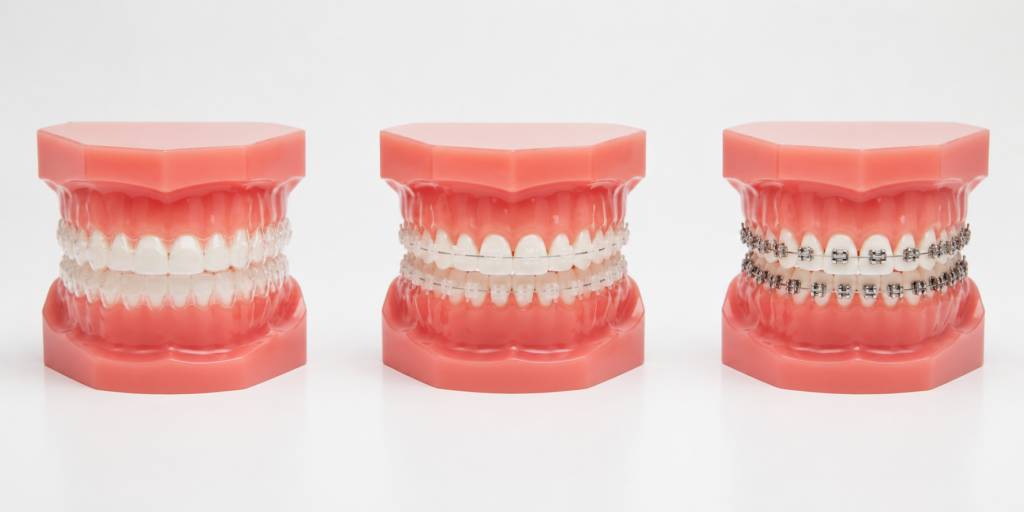
There is no single checklist that makes one dental practice right for every patient. For one person, preventive care may be the priority. Another may be considering Invisalign®, cosmetic dentistry or dental implants. For a family, continuity of care may matter most.
The right private dentist in London should give you the information you need to make informed decisions, explain your options clearly and provide care that is appropriate to your individual circumstances.
Ultimately, private dentistry is not simply about treating a problem when it appears. It can be about establishing a long-term relationship with a dental team that understands your oral health, helps you make informed choices and supports you as your needs change.
Private Dentistry at Carling Dental, Harley Street
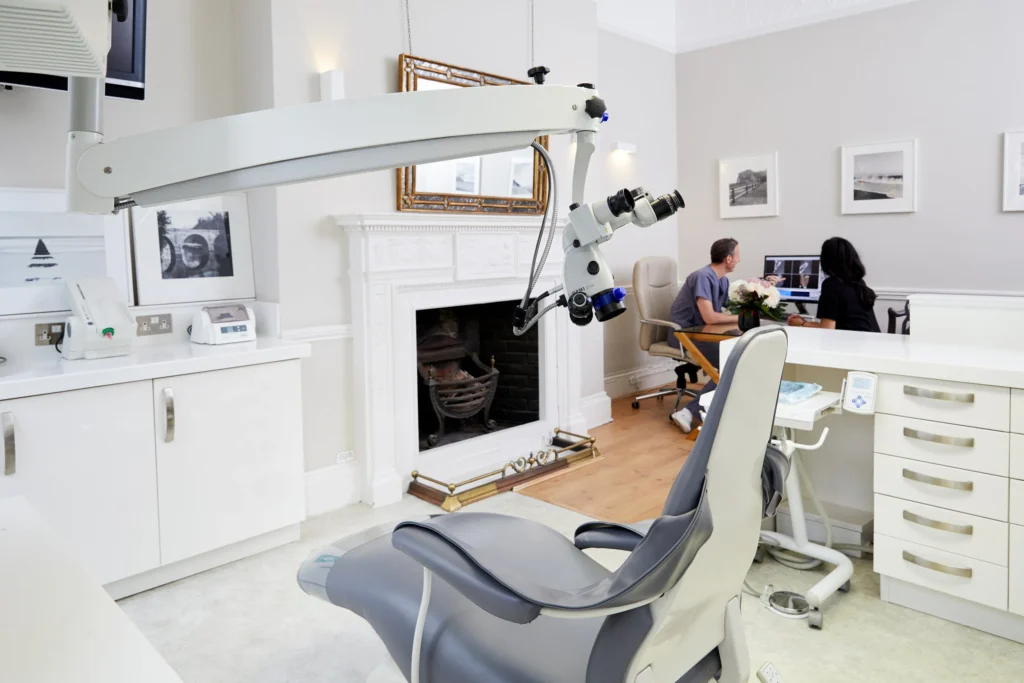
At Carling Dental, we provide private dental care from 72 Harley Street, London, with a focus on personalised care, prevention and long-term oral health.
Our services include dental examinations and hygiene care alongside orthodontic, cosmetic and restorative treatments. Every treatment plan begins with an assessment of the individual patient rather than assuming that the same approach is right for everyone.
If you are looking for a private dentist in Harley Street or Central London, we welcome you to contact our team to arrange a consultation.
Carling Dental
72 Harley Street
London W1G 7HG
020 7580 3168
reception@carlingdentistry.co.uk