Maintaining healthy teeth doesn’t have to be complicated. It is about doing few important things consistently and doing them well. As a Dental Hygienist at Carling Dental, Daniela Bovolenta regularly helps patients understand how simple everyday habits can make a meaningful difference to their oral health.
Here are three simple habits that should be part of your daily oral hygiene.
1. Brush Your Teeth effectively
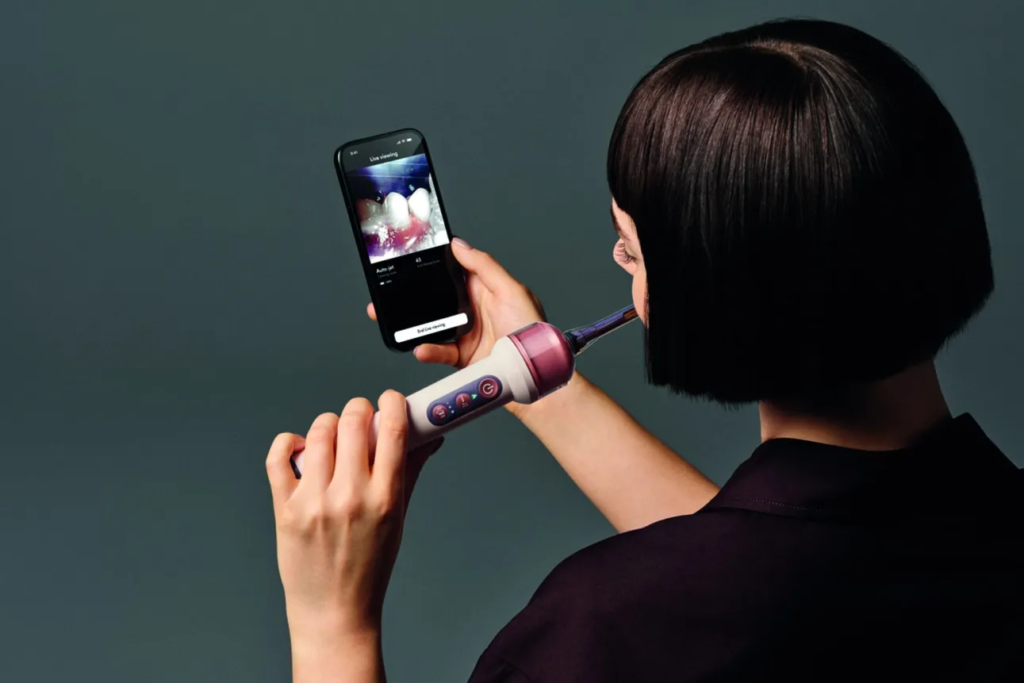
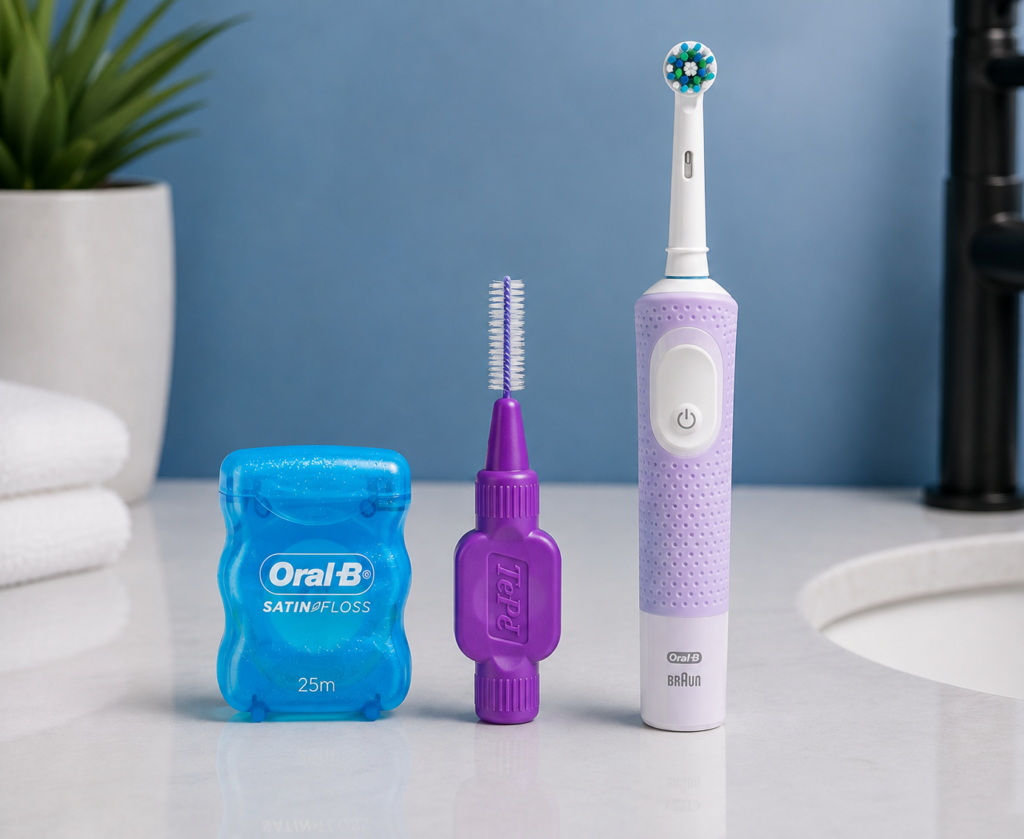
Brushing your teeth every morning and evening is one of the most effective ways to remove plaque and protect your teeth from decay. For most adults, brushing for around two minutes each time with a fluoride paste helps remove plaque and protect tooth against tooth decay. An electric toothbrush can make brushing easier and can be particularly useful for people who find it difficult to brush thoroughly with a manual toothbrush. However, the technique you use is still important.
There is no need to brush aggressively. Applying too much pressure can irritate the gums and contribute to tooth wear over time. Instead, use gentle pressure and take your time. Make sure you reach the front, back and chewing surfaces of your teeth, paying particular attention to the areas where the teeth meet the gums.
The goal is not to brush harder. It is to brush better.
2. Clean between your teeth
Your toothbrush cannot reach every part of your mouth. Plaque and food particles can build up between up your teeth, which is why cleaning these areas should be a part of your daily routine. Depending on your teeth and gums, this may mean using dental floss or interdental brushes such as TePe brushes. It is advised to clean your teeth with these, before brushing your teeth.
Interdental brushes come in different sizes, and using the right sizes is important. A dental hygienist can show you which size is suitable for your teeth and how to use it correctly. Cleaning between your teeth can help remove plaque from areas that brushing alone cannot reach and is an important part of maintaining healthy gums.
If your gums bleed when you first start cleaning between your teeth, do not simply assume that you should stop. Bleeding can be a sign of inflammation caused by plaque. However, persistent bleeding should always be discussed with your dentist or hygienist.
3. Making oral hygiene part of your daily routine
Good oral health is built through consistency. It is easy to focus on your teeth only when something feels wrong, but many dental problems can develop without obvious symptons in the early stages. This is why prevention matters.
A simple daily routine of brushing and cleaning between your teeth, combines with regular dental check-ups and professional hygiene care when appropriate, can help you maintain your oral health over the long term.
What about mouthwash?
Mouthwash can be useful in certain situations, but it should not replace brushing or cleaning between your teeth. Your dentist or hygienist can recommend a mouthwas if there is a specific reason for you to use one.
When should you see your dentist?
There is no single routine or treatment that is right for everyone. Your oral hygiene habits should take into account your teeth, gums, lifestyle and individual needs.Regular dental appointments allow your dentist to assess your teeth and gums and identify potential problems early.
The right frequency of appointments depends on your individual oral health. Your dentist can recommend how often you should attend based on your needs and risk factors. If you notice persistent bleeding, sensitivity, pain, swelling, bad breath or a change in your teeth or gums, it is worth arranging an appointment rather than waiting for the problem to get worse.
At Carling Dental, Harley Street, our approach is centred around preventative, personalised care. Whether you are looking for advice on your daily oral hygiene routine or need help with a specific dental concern, our team can help you understand what is right for you.